When is it Time to Replace Your Bathroom Vanity?
Your bathroom vanity serves as both a functional and aesthetic centerpiece in your bathroom. Over time, wear and tear can diminish its appearance and functionality. Knowing when to replace your bathroom vanity is crucial for maintaining the beauty and efficiency of your space. In this article, we will delve into the signs that indicate it’s time for a replacement and discuss advanced woodworking techniques for building or refinishing your vanity with precision and a professional finish.
Signs That Indicate It's Time for Replacement
- Water Damage: If you notice signs of water damage such as warping, swelling, or mold, it’s a clear indicator that your vanity has suffered. Water damage not only affects the aesthetic but can lead to structural issues.
- Outdated Style: Bathroom trends change over time. If your vanity looks outdated and no longer fits your design vision, it may be time for an upgrade.
- Insufficient Storage: As your needs change, you may find that your current vanity lacks storage space for toiletries and other essentials. A new vanity can provide better organization.
- Structural Integrity: If the drawers stick, doors don’t close properly, or the entire structure feels unstable, it’s time to consider a replacement.
- Cosmetic Wear: Scratches, dents, and discoloration can detract from your bathroom’s overall look. A new vanity can restore elegance to the space.
Advanced Techniques for Building a New Vanity
If you’ve determined that it’s time to replace your bathroom vanity, you might consider building one yourself. Here are some advanced woodworking techniques to ensure that your project is both precise and professional.
Joinery Techniques
Joinery is the backbone of any furniture piece, and a bathroom vanity is no exception. Here are some techniques to consider:
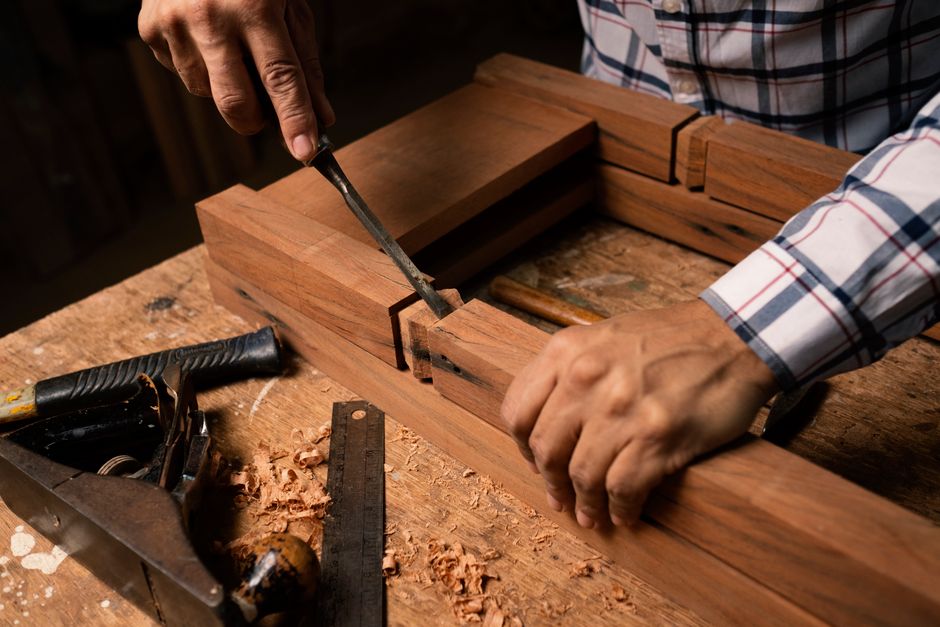
- Dovetail Joints: These joints provide exceptional strength and are aesthetically pleasing. Use dovetail joints for the drawer boxes to ensure they can withstand daily use.
- Mortise and Tenon: This traditional joint is perfect for connecting the legs to the body of the vanity. It provides a sturdy and durable connection.
- Box Joints: These are easy to create with a table saw and offer a strong connection for drawer construction while adding visual interest.
Precision Measurements
Precision is paramount in furniture making, especially in a bathroom where space can be limited. Here are some tips:
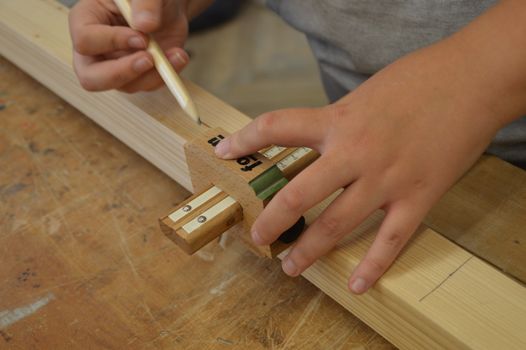
- Use a Reliable Measuring Tool: Invest in a high-quality tape measure or digital caliper to ensure accurate measurements.
- Cut List: Create a detailed cut list before you begin. This will not only save time but also minimize waste.
- Dry Fit: Before final assembly, perform a dry fit of all components to ensure everything aligns perfectly.
Achieving a Professional Finish
A professional finish can elevate your vanity from basic to breathtaking. Here’s how to achieve it:
- Sanding: Start with a coarse grit and progress to a fine grit. Sanding between coats of finish will ensure a smooth surface.
- Staining vs. Painting: Choose a stain to highlight the natural beauty of the wood or paint for a modern look. Always apply a primer if painting.
- Sealing: Use a high-quality polyurethane or varnish to protect the surface from water and wear. Consider a satin finish for a subtle sheen.
Resources for Your Project
If you’re looking for comprehensive plans and ideas for building your bathroom vanity, Ted Woodworking offers a plethora of resources. Their detailed plans can guide you through the entire process, ensuring you achieve the look and functionality you desire.
Conclusion
Replacing your bathroom vanity is not just about aesthetics; it’s about functionality and maintaining the integrity of your bathroom space. By recognizing the signs of wear and utilizing advanced woodworking techniques, you can create a stunning piece that meets your needs and enhances your home. Whether you choose to build your own vanity or purchase a new one, keep these tips in mind for a successful project.
FAQ
- How long should a bathroom vanity last? A well-built bathroom vanity can last anywhere from 10 to 20 years, depending on the materials and maintenance.
- Can I refinish my old vanity instead of replacing it? Yes, refinishing can be a great option if the structure is sound. Sanding, staining, and sealing can give it a fresh look.
- What materials are best for a bathroom vanity? Solid wood, plywood, and engineered wood are popular choices. Look for materials resistant to moisture and wear.
📚 Related Articles
🔨 Want 16,000+ Woodworking Plans?
Get instant access to step-by-step plans with blueprints and cut lists.
Get Instant Access →