Introduction
In the age of smart homes, upgrading to a smart thermostat in your kitchen can significantly enhance your cooking experience and energy efficiency. In this article, we will discuss the factors to consider when deciding whether it is time to make the switch, as well as the tools you'll need for the installation process.
Why Upgrade to a Smart Thermostat?
Smart thermostats offer a range of benefits that traditional thermostats simply cannot match. Here are some compelling reasons to consider an upgrade:
- Energy Efficiency: Smart thermostats can learn your schedule and adjust temperatures accordingly, helping you save on energy bills.
- Remote Control: Most models allow you to control your thermostat from your smartphone, making it easy to adjust settings while you're away from home.
- Integration with Smart Home Systems: Smart thermostats can integrate with other smart devices in your home, allowing for seamless automation.
- Data Tracking: Many models provide usage data, enabling you to see patterns and adjust your habits for better efficiency.
When Should You Upgrade?
Deciding when to upgrade to a smart thermostat can depend on several factors. Here are some considerations:
1. Age of Your Current Thermostat
If your current thermostat is more than 10 years old, it may be time to upgrade. Newer models offer more features and can often save you money on your energy bills.
2. Home Renovations or Kitchen Upgrades
If you are renovating your kitchen or making significant home upgrades, it's a great time to consider a smart thermostat. This will ensure that your new systems work harmoniously together.
3. Rising Energy Bills
Are you noticing an increase in your energy bills? A smart thermostat can help you manage your heating and cooling more effectively, potentially lowering your monthly expenses.
4. Lifestyle Changes
If your schedule has changed (e.g., working from home) and your energy usage patterns have shifted, a smart thermostat can adapt to your new lifestyle, ensuring optimal comfort and efficiency.
Tools Needed for Installation
Upgrading to a smart thermostat can be a DIY project, but you'll need the right tools to make the installation process smooth. Here’s a list of tools and their pros and cons:
1. Screwdriver Set
Most installations will require a basic screwdriver set. A multi-bit screwdriver can be particularly handy.
- Pros: Essential for removing the old thermostat and installing the new one.
- Cons: Make sure to have the right size to avoid stripping screws.
2. Voltage Tester
A voltage tester is crucial for ensuring that the power is off before you start working on your thermostat.
- Pros: Helps to ensure safety during installation.
- Cons: Requires some knowledge of electrical systems to use effectively.
3. Drill
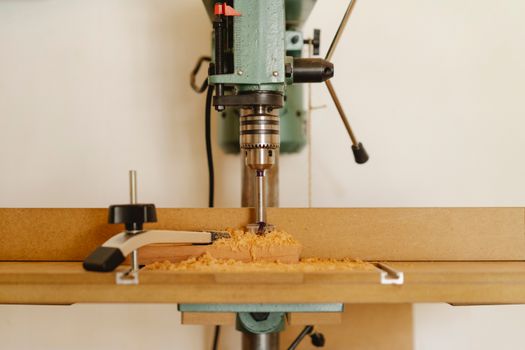
If you need to create new holes for mounting, a drill can be beneficial.
- Pros: Makes the installation process quicker and easier.
- Cons: Overdrilling can damage walls, so caution is needed.
4. Wire Stripper
If your smart thermostat requires new wiring, a wire stripper is essential for preparing the wires.
- Pros: Ensures clean cuts, which is crucial for good electrical connections.
- Cons: Not always necessary if existing wiring is adequate.
5. Level
To ensure your thermostat is installed straight, a level is a handy tool.
- Pros: Ensures a professional-looking installation.
- Cons: Can be overlooked during a rush installation.
Resource for Plans: Ted Woodworking
If you're looking for step-by-step plans to guide you through the process of upgrading your thermostat or making other kitchen improvements, Ted Woodworking is an excellent resource. They offer detailed plans that cover a variety of woodworking projects, including cabinetry that can house your new smart thermostat seamlessly.
Conclusion
Upgrading to a smart thermostat in your kitchen can lead to improved comfort and energy efficiency. By considering the age of your current thermostat, your renovation plans, energy bills, and lifestyle changes, you can decide when the time is right to make the switch. With the right tools and resources, including those from Ted Woodworking, you can tackle the installation with confidence.
FAQs
1. Can I install a smart thermostat myself?
Yes, if you have basic tools and some DIY skills, you can install a smart thermostat yourself. However, if you're uncomfortable with electrical work, it's best to hire a professional.
2. Do smart thermostats really save money?
Yes, many users report savings on their energy bills due to the efficiency and scheduling features of smart thermostats.
3. What features should I look for in a smart thermostat?
Look for features such as remote control, learning capabilities, energy usage reports, and compatibility with other smart home devices.
📚 Related Articles
🔨 Want 16,000+ Woodworking Plans?
Get instant access to step-by-step plans with blueprints and cut lists.
Get Instant Access →