Introduction
Upgrading your kitchen does not always require a complete remodel. With the right DIY projects, you can instantly enhance its look while developing your woodworking skills. This article focuses on advanced techniques, emphasizing joinery, precision, and a professional finish that will elevate your kitchen's aesthetic appeal.
1. Custom Kitchen Cabinets
One of the most impactful upgrades you can make is to build custom kitchen cabinets. Not only do they provide ample storage, but they can also be tailored to fit your specific style and space.
Joinery Techniques
- Dovetail Joints: Ideal for drawer construction, dovetail joints offer both strength and beauty.
- Mortise and Tenon: Use this technique for frame-and-panel cabinet doors, providing durability and a classic look.
- Pocket Hole Joinery: This method allows for quick assembly while remaining hidden from view, perfect for cabinet frames.
Finishing Touches
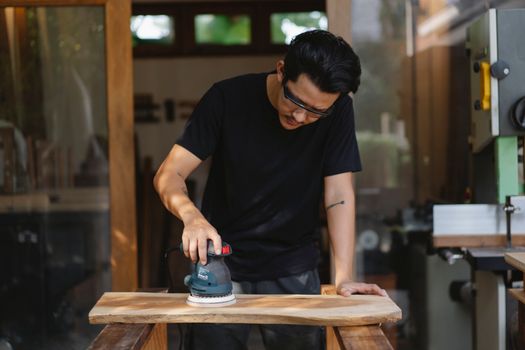
For a professional finish, consider using a high-quality stain followed by a polyurethane topcoat. Sanding between coats will yield a glass-like surface that enhances the wood grain.
2. Open Shelving Units
Open shelving not only provides a modern look but also makes your kitchen feel more spacious. Building your own shelves allows you to customize their dimensions and style.
Precision Cut Shelves
When cutting your shelves, ensure that you measure accurately and make straight cuts. Using a table saw with a crosscut sled can greatly enhance your precision.
Brackets and Supports
- Floating Shelves: These require hidden brackets. Utilize a router to create grooves for the brackets, ensuring a clean look.
- Decorative Brackets: If you prefer visible support, choose decorative brackets that complement your kitchen's style.
Finishing the Shelves
For open shelving, consider a natural wood finish to showcase the grain. A clear varnish will protect the wood while enhancing its beauty.
3. Kitchen Island with Seating
A kitchen island can serve as a focal point and a functional workspace. Building one with integrated seating adds both style and utility.
Joinery for the Island Frame
- Frame and Panel Construction: This technique provides a sturdy base while allowing for a lightweight, attractive appearance.
- Doweling: Use dowels for joining the top to the base, which keeps everything aligned and adds strength.
Creating a Professional Finish
Use a stain that matches your cabinetry and apply a semi-gloss finish for easy cleaning. This will ensure your island not only looks good but also stands up to daily use.
4. Stylish Backsplash
A backsplash can dramatically change the look of your kitchen. Building a custom backsplash from wood adds warmth and texture.
Joinery for the Backsplash
- Butt Joints: Simple and effective, butt joints are great for connecting panels.
- Beveled Edges: Consider beveling the edges of each panel for a seamless appearance.
Finishing Your Backsplash
Seal your wood backsplash with food-safe finishes to protect it from moisture and stains. A matte finish can create a rustic look, while a glossy finish gives a modern touch.
5. Upgraded Lighting Fixtures
Upgrading your kitchen lighting can also have a significant impact. Consider building your own light fixtures or enhancing existing ones.
Joinery Techniques for Fixtures
- Wooden Pendants: Use a combination of mortise and tenon joints to create a sturdy frame for your pendant lights.
- Shelves with Integrated Lighting: Incorporate LED strips into your open shelves for both functionality and ambiance.
Finishing Your Fixtures
Choose finishes that match your kitchen decor, whether it's a sleek metallic look or a rustic wood finish. Ensure that all electrical components are safely installed for long-lasting use.
Conclusion
Upgrading your kitchen with DIY projects can be both rewarding and transformative. By applying advanced joinery techniques and achieving a professional finish, you can create a space that reflects your style and enhances functionality. For detailed plans and inspiration, consider checking out Ted Woodworking, which offers a variety of resources for DIY enthusiasts.
FAQ
- What tools do I need for these DIY projects? Basic woodworking tools such as a table saw, drill, and hand tools like chisels and clamps are essential.
- How can I ensure my projects have a professional finish? Pay attention to sanding, choose quality stains and finishes, and allow adequate drying time between coats.
- Are there any specific safety precautions I should take? Always wear safety goggles, use proper ventilation when finishing, and follow all manufacturer guidelines for tools and materials.
📚 Related Articles
🔨 Want 16,000+ Woodworking Plans?
Get instant access to step-by-step plans with blueprints and cut lists.
Get Instant Access →