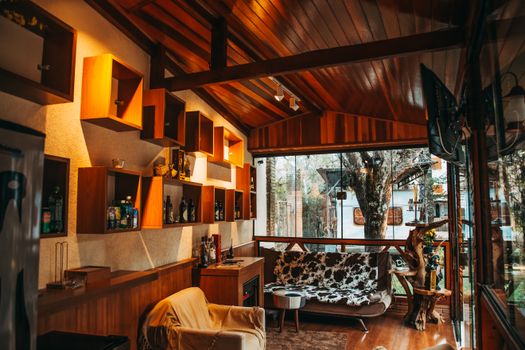
Why Consider a Green Space in Your Home Office?
In recent years, the concept of incorporating a green space in home office designs has gained popularity. With many people working from home, the need for a healthy and inspiring workspace has never been more crucial. Adding plants and greenery can not only enhance the aesthetic appeal of your office but also provide numerous psychological benefits.
Benefits of a Green Space
- Improved Air Quality: Plants naturally filter the air, removing toxins and releasing oxygen, which can lead to a healthier work environment.
- Increased Productivity: Studies have shown that having greenery in workspaces can boost productivity and creativity.
- Stress Reduction: Being around plants can help reduce stress and anxiety, making your home office a more pleasant place to work.
- Aesthetic Appeal: Adding greenery can make your office look more inviting and visually appealing.
How to Incorporate a Green Space in Your Home Office
Now that you understand the benefits, let’s explore how to add a green space in your home office without overwhelming your design. Follow these simple steps to get started.
Step 1: Choose the Right Location
Begin by selecting the best spot for your green space. Consider the following:
- Natural light availability: Most plants thrive in bright, indirect sunlight.
- Proximity to your workspace: Ensure it's within reach but not in the way.
- Overall aesthetic: Think about how it will fit with your existing office decor.
Step 2: Select Your Plants
Choose plants that are easy to care for and suitable for indoor spaces. Here are some beginner-friendly options:
- Snake Plant: Very low maintenance and can tolerate low light.
- Pothos: Fast-growing vine that thrives in a variety of conditions.
- ZZ Plant: Almost indestructible; it requires little water and light.
- Spider Plant: Great for air purification and easy to propagate.
Step 3: Plan Your Layout
Once you have chosen your plants, it’s time to plan their layout. Consider the following:
- Height and size: Place taller plants in the back and smaller ones in the front for visibility.
- Variety: Mix different shapes and colors for visual interest.
- Accessibility: Ensure you can easily reach all plants for watering and maintenance.
Step 4: Choose the Right Containers
The containers for your plants can also enhance your office decor. Here are some tips:
- Material: Choose pots made of ceramic, plastic, or wood based on your style.
- Drainage: Make sure your pots have drainage holes to prevent overwatering.
- Color: Select colors that complement your office palette.
Step 5: Incorporate Furniture and Decor
Consider integrating your plants into your office furniture:
- Plant Stands: Use stands to elevate plants and create levels.
- Bookshelves: Place smaller plants on shelves alongside books and office supplies.
- Desk Space: Add a small plant or two on your desk to keep the green close.
Step 6: Plan for Maintenance
Maintaining your green space is vital for its longevity. Here are some tips:
- Watering: Establish a watering schedule based on each plant's needs.
- Light: Rotate plants occasionally to ensure even light exposure.
- Fertilizing: Use a balanced fertilizer during the growing season for healthy growth.
Using Plans and Resources
If you want to take your green space to the next level, consider utilizing resources like Ted Woodworking. They offer a variety of woodworking plans that can help you create custom furniture to house your plants, like shelves, stands, or even a dedicated plant table.
Conclusion
Incorporating a green space in your home office design can significantly enhance your work environment. With just a few simple steps and basic tools, you can create a healthy and inspiring workspace that promotes well-being and productivity. Remember to start small and choose plants that resonate with your style and office needs. Happy gardening!
FAQ
1. What are the best plants for low-light conditions?
Some of the best low-light plants include snake plants, ZZ plants, and pothos, all of which can thrive with minimal sunlight.
2. How often should I water my indoor plants?
Watering frequency depends on the type of plant and environmental conditions. Generally, it's best to check the soil moisture; if it's dry an inch down, it’s time to water.
3. Can I use regular pots for indoor plants?
Yes, as long as the pots provide proper drainage. You can also use decorative containers or even repurpose items as plant pots, enhancing your office decor.
📚 Related Articles
🔨 Want 16,000+ Woodworking Plans?
Get instant access to step-by-step plans with blueprints and cut lists.
Get Instant Access →