Introduction
In today's world, the need for a dedicated workspace at home has become increasingly important. Many individuals find themselves asking, "Can I convert my spare room into a home office?" The answer is generally yes! However, there are several common mistakes to avoid during this process. In this article, we will explore those pitfalls and provide troubleshooting tips and fixes to ensure a smooth transition.
Assessing the Space
The first step in converting your spare room into a home office is assessing the space. This involves understanding the dimensions of the room, lighting conditions, and potential layout options.
Common Mistakes to Avoid
- Underestimating Space Requirements: One of the most frequent mistakes is not considering the size of your furniture and equipment. A cramped space can lead to frustration.
- Inefficient Layout: Failing to plan the layout effectively can lead to wasted space and reduced productivity. Ensure that your desk and chair are positioned for comfort and accessibility.
- Poor Lighting Choices: Many people overlook the importance of adequate lighting. A poorly lit room can strain your eyes and affect your mood.
Troubleshooting Tips
To avoid these common mistakes, consider the following troubleshooting tips:
- Measure Your Furniture: Before purchasing new items or rearranging the room, measure your furniture and the room's dimensions. This will help you avoid overcrowding.
- Create a Floor Plan: Use graph paper or online design tools to create a floor plan. This will allow you to visualize the layout and make adjustments before making any changes.
- Enhance Natural Light: If possible, position your desk near a window to take advantage of natural light. Supplement with adjustable lamps to ensure you have adequate lighting throughout the day.
Choosing the Right Furniture
The furniture you select plays a crucial role in the functionality of your home office. Choosing the right pieces can make all the difference in your productivity and comfort.
Common Mistakes to Avoid
- Ignoring Ergonomics: Many people choose furniture based solely on aesthetics rather than comfort. Ergonomic chairs and desks are essential for long hours of work.
- Overloading the Space: Cluttering the room with unnecessary furniture can lead to distractions. Choose multi-functional pieces to maximize space.
- Neglecting Storage Solutions: Failing to incorporate adequate storage can result in a chaotic workspace. Proper organization is key to maintaining productivity.
Troubleshooting Tips
To address these issues, follow these tips:
- Research Ergonomic Options: Invest in an ergonomic chair and adjustable desk. These options will significantly improve your comfort and posture.
- Limit Furniture: Evaluate what furniture you truly need. Consider a desk with built-in storage or a wall-mounted shelf to save space.
- Implement Storage Solutions: Use filing cabinets, shelves, or storage bins to keep your office organized. Consider vertical storage to maximize floor space.
Personalizing Your Home Office
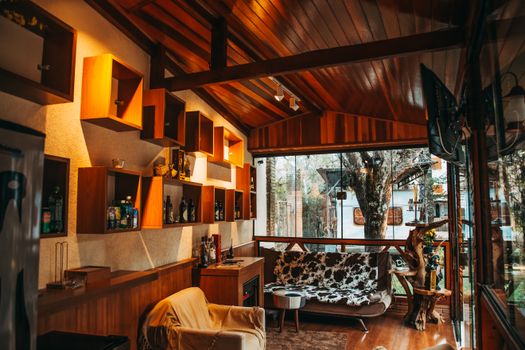
Personalizing your home office can create an inviting atmosphere and boost your creativity. However, there are some common pitfalls to avoid.
Common Mistakes to Avoid
- Over-Decorating: While adding personal touches is important, too much decor can create distractions. Aim for a balanced approach.
- Ignoring Practicality: Some decorative items can hinder functionality. Choose decor that complements your workspace rather than complicating it.
- Neglecting Comfort: Aesthetic appeal should not come at the cost of comfort. Ensure that your workspace remains functional and comfortable.
Troubleshooting Tips
To personalize your home office effectively, consider these tips:
- Choose Meaningful Decor: Select items that inspire you or reflect your personality. This can include artwork, photos, or motivational quotes.
- Maintain a Clean Aesthetic: Keep decor to a minimum to reduce clutter. Use a few well-placed items to create an inviting space.
- Focus on Comfort: Incorporate comfortable elements such as cushions or a throw blanket to enhance your workspace without sacrificing functionality.
Using Resources for Your Home Office Project
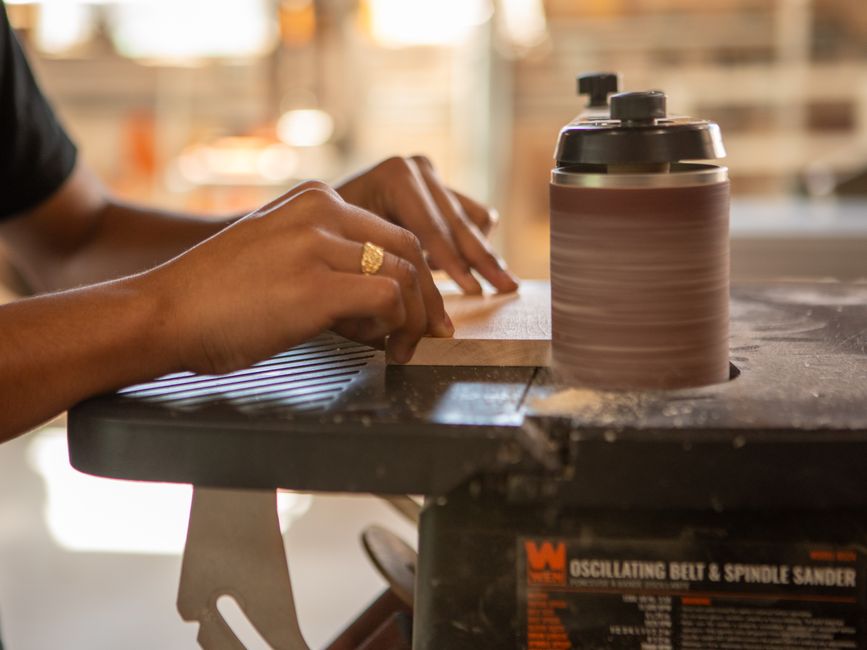
Building your home office can be a rewarding project. If you need assistance with plans or ideas, Ted Woodworking is a great resource. They offer a variety of woodworking plans that can help you design and build furniture tailored to your needs.
Conclusion
Converting a spare room into a home office is an achievable goal, provided you avoid common mistakes and follow the troubleshooting tips outlined in this article. By assessing your space, selecting the right furniture, and personalizing your office, you can create a productive and enjoyable workspace. Remember to utilize resources like Ted Woodworking for additional guidance on furniture building.
Frequently Asked Questions (FAQs)
- How much space do I need for a home office? The space required depends on your needs, but typically, a small desk and chair should fit comfortably, allowing for movement and storage.
- What are the essential items for a home office? Essential items include a desk, ergonomic chair, computer, good lighting, and storage solutions.
- Can I convert a bedroom into a home office? Yes, you can convert a bedroom into a home office, but ensure that it remains functional and comfortable while accommodating your work needs.
📚 Related Articles
🔨 Want 16,000+ Woodworking Plans?
Get instant access to step-by-step plans with blueprints and cut lists.
Get Instant Access →