Introduction
Restoring old furniture can be a rewarding and cost-effective way to breathe new life into your home. Not only does it save you money compared to buying new pieces, but it also allows you to preserve history and add character to your space. In this article, we will explore some essential tips and tricks for beginners looking to restore old furniture on a budget.
Assessing the Condition of the Furniture
Before diving into the restoration process, it is crucial to assess the condition of the furniture you plan to restore. Here are some key aspects to consider:
- Structural Integrity: Check for any loose joints, cracks, or broken parts. Ensure the piece can support its own weight.
- Surface Damage: Look for scratches, dents, or stains on the surface. Assess whether the finish is peeling or faded.
- Material Type: Identify the type of wood and finish used. This will help you choose the appropriate restoration methods.
Gathering Your Tools and Materials
Once you have assessed the condition of your furniture, it’s time to gather your tools and materials. Here’s a list of essentials:
- Screwdriver: For tightening or replacing screws.
- Sandpaper: Various grits (80, 120, 220) for smoothing surfaces.
- Wood Glue: For repairing joints and cracks.
- Cloth Rags: For cleaning and applying finishes.
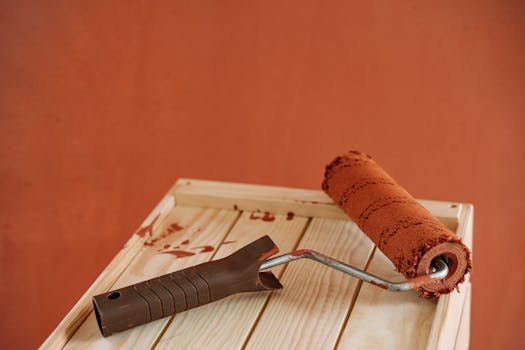
- Paintbrushes or Foam Rollers: For applying stains or paint evenly.
- Wood Stain or Paint: Choose a color that suits your style.
- Finish: Polyurethane or wax for protecting the surface.
- Ted Woodworking Plans: Consider using Ted Woodworking for detailed plans and inspiration.
Restoration Steps
Now that you have your tools ready, follow these steps to restore your old furniture:
1. Clean the Furniture
Start by thoroughly cleaning the furniture with a mild soap and water solution. This will remove dirt, grease, and old wax. Allow it to dry completely before moving on to the next step.
2. Repair Any Damage
Address any structural issues first. Use wood glue to repair joints or cracks. If there are missing pieces, consider creating your own replacements from scrap wood. For minor scratches, you can use a wood filler to smooth out the surface.
3. Sand the Surface
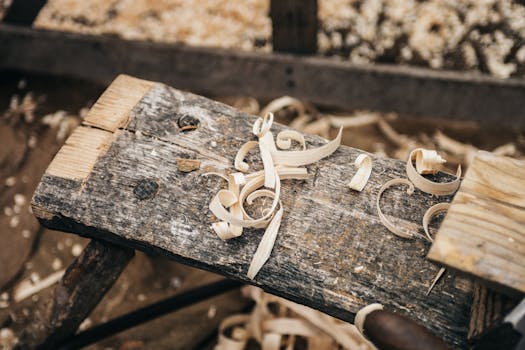
Once repairs are complete, sand the surface to remove the old finish and smooth out any imperfections. Start with a coarser grit sandpaper and gradually move to a finer grit for a smooth finish. Always sand in the direction of the wood grain.
4. Apply Stain or Paint
After sanding, wipe the surface with a damp cloth to remove dust particles. Then, apply your chosen stain or paint using a brush or roller. If you're using stain, allow it to penetrate for a few minutes before wiping off the excess. For paint, apply several thin coats for even coverage, allowing each coat to dry thoroughly.
5. Finish with a Protective Coat
To protect your newly restored furniture, apply a finish such as polyurethane or wax. This will help to seal in the color and provide a durable surface. Follow the manufacturer’s instructions for the best results.
Budget-Friendly Tips
Restoring furniture can be done on a budget with some strategic choices:
- Use Recycled Materials: Look for scrap wood or leftover materials from other projects to save money.
- Shop Thrift Stores: Find inexpensive furniture pieces that just need a little TLC.
- Do It Yourself: The more you can do on your own, the more you’ll save. Take the time to learn basic woodworking skills.
- Buy in Bulk: When purchasing supplies like paint or sandpaper, consider buying larger quantities to reduce costs.
- Plan Ahead: Have a clear plan before you start, which will help you avoid costly mistakes.
Conclusion
Restoring old furniture is an excellent way to enhance your home decor without breaking the bank. With a bit of patience, creativity, and the right tools, you can transform outdated pieces into beautiful, functional items that reflect your personal style. Remember to take your time and enjoy the process, as each restoration project is a unique journey.
FAQ
- What type of furniture is easiest to restore? Generally, solid wood furniture is the easiest to restore due to its durability and ability to withstand refinishing.
- How can I tell if my furniture is worth restoring? If the piece is of solid construction, has good bones, and holds sentimental value, it's often worth restoring.
- What is the best finish for restored furniture? Polyurethane is a popular choice for its durability, but natural oils and wax can provide a beautiful, organic look.
📚 Related Articles
🔨 Want 16,000+ Woodworking Plans?
Get instant access to step-by-step plans with blueprints and cut lists.
Get Instant Access →