Introduction
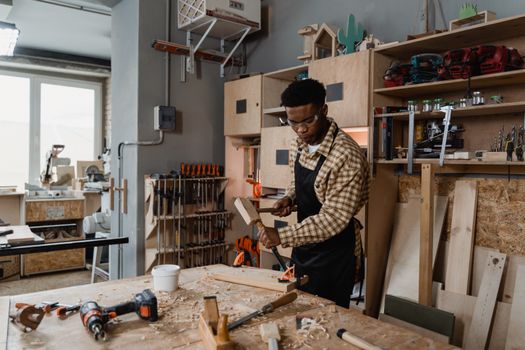
Building your own furniture can be an exciting and rewarding project, especially when you choose the right materials. In 2024, the focus on sustainability and durability in furniture design continues to grow. In this guide, we will explore the best materials for creating long-lasting indoor furniture that will withstand the test of time. Whether you're a beginner or an experienced woodworker, this article will provide you with a clear understanding of your options.
Why Material Choice Matters
The materials you choose for your furniture will affect its durability, appearance, and functionality. Selecting high-quality materials can ensure your pieces last for years, saving you time and money in the long run. Let's dive into the best materials available for indoor furniture in 2024.
1. Solid Wood
Solid wood is a classic choice for furniture construction, known for its strength and aesthetic appeal. Here are some popular types of solid wood:
- Oak: Durable and resistant to wear, oak offers a beautiful grain and can be stained or finished in various ways.
- Maple: Known for its hardness, maple is ideal for furniture that experiences heavy use.
- Cherry: With its rich color and smooth texture, cherry wood ages beautifully, making it a favorite for heirloom pieces.
When choosing solid wood, look for sustainably sourced options to ensure your furniture is eco-friendly.
2. Plywood
Plywood is an engineered wood product made from layers of veneer. It is a versatile and cost-effective alternative to solid wood. Some advantages of plywood include:
- Stability: Plywood is less likely to warp or crack compared to solid wood.
- Strength: It can provide excellent structural support for various furniture designs.
Use high-quality plywood for your projects to ensure durability and a smooth finish.
3. Medium Density Fiberboard (MDF)
MDF is a popular material for furniture due to its smooth surface and affordability. It is made from wood fibers bonded together with resin and heat. Benefits of MDF include:
- Cost-effective: MDF is usually less expensive than solid wood and offers a good alternative for budget-conscious builders.
- Ease of use: It can be easily cut, shaped, and painted, making it ideal for beginner projects.
However, keep in mind that MDF is not as strong as solid wood or plywood, so it may not be suitable for heavy-use furniture.
4. Particleboard
Particleboard is another engineered wood product made from wood chips and resin. While it is the least expensive option, it has its pros and cons:
- Affordability: It is one of the most budget-friendly materials for furniture building.
- Lightweight: Particleboard is easy to handle, making it suitable for beginners.
However, it is less durable than plywood or solid wood, so consider using it for lighter furniture or decorative pieces.
5. Metal
Metal is increasingly being used in furniture design for its strength and modern aesthetic. Here are some common types of metal used:
- Steel: Extremely durable and suitable for frames, legs, and supports.
- Aluminum: Lightweight and resistant to rust, aluminum is ideal for outdoor furniture that can also be used indoors.
Metal can be combined with wood for a stylish, industrial look that adds character to your furniture.
Choosing Finishes
In addition to selecting the right materials, choosing the right finish can enhance the durability and appearance of your furniture. Some popular finishes include:
- Varnish: Provides a hard, protective coating that resists scratches and moisture.
- Oil: Penetrates the wood and enhances its natural beauty while offering protection.
- Paint: Allows for customization and can provide a protective layer, especially for MDF and particleboard.
Always test your finishes on a scrap piece of material to ensure you achieve the desired look.
Tools for Beginners
As a beginner, you don't need a full workshop to start building furniture. Here are some essential tools to get you started:
- Measuring Tape: Essential for accurate measurements.
- Square: Ensures your corners are perfect.
- Hand Saw or Circular Saw: For cutting wood to size.
- Drill: Needed for making holes and driving screws.
- Sandpaper: For smoothing edges and surfaces.
With these basic tools, you can embark on your furniture-building journey.
Getting Started with Your Furniture Build
Once you have selected your materials and gathered your tools, it is time to start building. A great resource for plans and ideas is Ted Woodworking, which offers a variety of furniture plans suitable for beginners. Follow these steps to kick off your project:
- Choose Your Project: Decide what piece of furniture you want to build.
- Select Materials: Based on your project, choose the materials that best suit your needs.
- Gather Your Tools: Make sure you have everything on hand before you start.
- Follow the Plans: Use your chosen plans to guide you through the building process.
- Finish Your Piece: Apply your desired finish to protect and enhance your furniture.
Conclusion
Building durable indoor furniture in 2024 is an attainable goal for anyone willing to learn. By selecting the right materials, using basic tools, and following a clear plan, you can create beautiful pieces that will last for years. Remember to explore resources like Ted Woodworking for inspiration and guidance on your projects. Happy building!
FAQ
What is the best wood for indoor furniture?
Solid woods like oak, maple, and cherry are excellent choices for durable indoor furniture due to their strength and longevity.
Is plywood as strong as solid wood?
Plywood is strong and stable but may not have the same aesthetic appeal as solid wood. It is a great alternative for many projects.
Can I build furniture without advanced tools?
Yes! You can build simple furniture with basic tools like a saw, drill, and measuring tape. Start small and gradually expand your toolset as you gain experience.
📚 Related Articles
🔨 Want 16,000+ Woodworking Plans?
Get instant access to step-by-step plans with blueprints and cut lists.
Get Instant Access →