Why is a Dedicated Home Office Important for Productivity?
In today’s world, many individuals are finding themselves working from home, whether it’s full-time or part-time. While working from home offers flexibility, a dedicated home office can significantly enhance productivity. In this article, we’ll explore the importance of a dedicated home office, the common mistakes people make, and troubleshooting tips to create an effective workspace.
The Importance of a Dedicated Home Office
Having a designated space for work can lead to increased focus and productivity. Here are some reasons why:
- Reduced Distractions: A dedicated office space minimizes interruptions from household activities, allowing for deeper concentration.
- Separation of Work and Home Life: Creating a physical boundary between work and personal life helps to maintain a work-life balance.
- Enhanced Organization: A dedicated office allows for better organization of tools, materials, and documents, facilitating easier access and improved efficiency.
- Professional Environment: A well-furnished office can create a more professional atmosphere for video calls and meetings, improving your professional image.
- Customizable Space: You can personalize your office to reflect your style and preferences, making it a more enjoyable place to work.
Common Mistakes to Avoid When Setting Up Your Home Office
While the benefits of having a dedicated home office are clear, many people make common mistakes that can hinder productivity. Here are some pitfalls to avoid:
- Neglecting Ergonomics: One of the most common mistakes is not paying attention to ergonomic design. Using a chair that lacks support or a desk that is too high or low can lead to discomfort and health issues.
- Cluttered Space: A disorganized workspace can lead to distractions and decreased productivity. It's important to keep your office tidy and well-organized.
- Inadequate Lighting: Poor lighting can cause eye strain and fatigue. Make sure your office is well-lit, utilizing natural light when possible, and supplementing with adequate artificial lighting.
- Ignoring Technology Needs: Failing to invest in the right technology, such as a reliable computer, printer, or internet connection, can lead to frustration and wasted time.
- Choosing the Wrong Location: Setting up your office in a noisy or high-traffic area of your home can lead to distractions. It's best to choose a quieter space.
Troubleshooting Tips to Create an Effective Workspace
If you're experiencing challenges in your home office, here are some troubleshooting tips to consider:
- Evaluate Your Ergonomics: Invest in a good ergonomic chair and desk. Your feet should be flat on the ground, and your monitor should be at eye level. Make adjustments as needed.
- Declutter Regularly: Set aside time weekly to organize your workspace. Use storage solutions like shelves and filing cabinets to keep documents and supplies orderly.
- Improve Lighting: If natural light is limited, consider adding task lighting or desk lamps that provide adequate illumination without causing glare on screens.
- Upgrade Your Technology: Assess your tools and equipment. If your computer is slow or your internet is unreliable, it may be time to upgrade to ensure smooth operations.
- Choose the Right Location: If possible, find a quiet corner of your home for your office. If noise is an issue, consider soundproofing solutions like thick curtains or noise-canceling headphones.
Furniture Building for Your Home Office
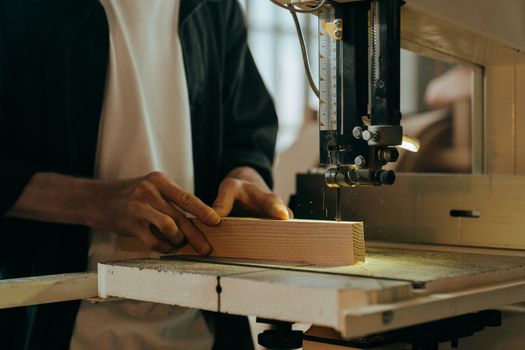
Building your own office furniture can be a rewarding project that adds a personal touch to your workspace. Resources like Ted Woodworking provide comprehensive plans for creating custom furniture tailored to your specific needs. Whether it's a desk, shelving, or storage solutions, having furniture designed for your space can enhance both functionality and aesthetics.
Conclusion
Creating a dedicated home office is essential for maximizing productivity while working from home. By avoiding common mistakes and applying troubleshooting tips, you can design an effective workspace that fosters focus and efficiency. Remember, investing in your home office is investing in your productivity.
FAQ
- How can I determine the best location for my home office? Consider factors such as noise level, natural light, and available space. Choose a quiet area away from distractions.
- What are some affordable ergonomic solutions for my home office? Look for adjustable chairs, standing desks, and ergonomic accessories like mouse pads and keyboard trays to improve comfort.
- How can I maintain a work-life balance when working from home? Set clear boundaries for work hours, take regular breaks, and create a physical separation between your workspace and living areas.
📚 Related Articles
🔨 Want 16,000+ Woodworking Plans?
Get instant access to step-by-step plans with blueprints and cut lists.
Get Instant Access →