Understanding Permits for Patio Installation
When planning to install a patio, one of the first questions that often arises is whether a permit is needed. The answer is not always straightforward, as it can vary significantly based on your location, the size and type of the patio, and local building codes.
Before embarking on your patio project, it's essential to investigate the specific regulations in your area. Many municipalities require a permit for any structural additions to your property, including patios. This is to ensure that your installation complies with safety standards and zoning laws. Failure to secure a permit can lead to fines and complications if you decide to sell your home in the future.
Factors Influencing Permit Requirements
Here are some factors that could affect whether you need a permit for your patio installation:
- Size: Smaller patios may not require permits, while larger installations often do.
- Location: If your patio is near property lines or in a flood zone, permits are more likely to be required.
- Materials: Depending on the materials used, such as concrete, wood, or stone, regulations may differ.
- Local Codes: Each municipality has its own building codes and zoning laws that dictate what is permissible.
Benefits of Securing a Permit
While it may seem easier to skip the permit process, there are several benefits to securing one:
- Legal Protection: A permit ensures that your patio is built to code, reducing the risk of future legal issues.
- Increased Property Value: A properly permitted and constructed patio can contribute positively to your property's value.
- Insurance Coverage: In the event of damage or injury, having a permit can help ensure your insurance remains valid.
Advanced Techniques for Building a Patio
If you've decided to proceed with your patio installation and have secured any necessary permits, it's time to focus on the construction itself. The following advanced techniques will help you achieve precision joinery and a professional finish, ensuring your patio stands the test of time.
Precision Joinery
Joinery is a critical aspect of any woodworking project. For patios, the integrity of your joinery will determine the overall strength and longevity of the structure. Here are some methods and tips to achieve precision joinery:
- Mortise and Tenon Joints: This classic joint provides exceptional strength. Use a mortising machine for accuracy, ensuring tight fits that can withstand the elements.
- Dovetail Joints: While traditionally associated with furniture, dovetails can add a decorative element to your patio rails or furniture pieces.
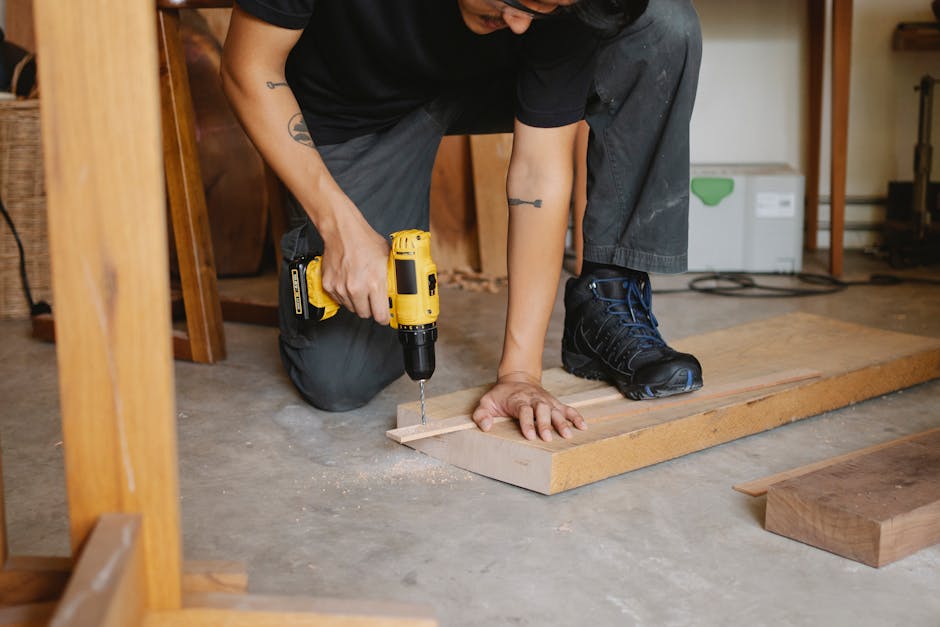
- Use of Pocket Holes: Pocket hole joinery is a modern technique that allows for strong connections with minimal visible hardware, providing a clean finish.
- Wood Selection: Choose high-quality, rot-resistant wood, such as cedar or redwood, to enhance durability and appearance.
Achieving a Professional Finish
A professional finish is crucial for both aesthetics and durability. Here are some tips to consider:
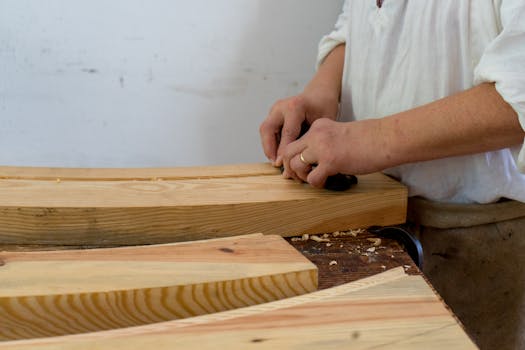
- Sanding: Sand all surfaces thoroughly before applying any finish. Start with a coarse grit and progress to a fine grit for a smooth surface.
- Sealing: Use a high-quality sealant or wood stain to protect your wood from moisture and UV damage. Consider using a semi-transparent stain to enhance the natural grain of the wood.
- Consistent Application: When applying finishes, work in the same direction as the grain and avoid over-application, which can lead to runs or bubbles.
- Maintenance: Regular maintenance, including cleaning and resealing, will keep your patio looking its best and extend its lifespan.
Resources for Your Project
For those looking to delve deeper into patio construction and woodworking techniques, consider resources like Ted Woodworking. This platform provides a wide range of plans and tutorials that cater to both beginners and seasoned woodworkers. Whether you're designing a simple patio or an elaborate outdoor living space, you'll find valuable insights and step-by-step guides to help you succeed.
Conclusion
Installing a patio can be an exciting project that enhances your outdoor space. However, understanding whether you need a permit is crucial to avoid legal complications. Additionally, employing advanced techniques in joinery and finishing will ensure your patio is not only beautiful but also built to last. Always consult local regulations and consider professional help when necessary to achieve the best results.
FAQ
- Do I always need a permit to build a patio?
It depends on your location and the size of the patio. Always check local regulations. - What happens if I build a patio without a permit?
You may face fines or be required to remove the patio if it doesn't comply with local codes. - What type of wood is best for outdoor patios?
Cedar and redwood are excellent choices due to their natural resistance to rot and insects.
📚 Related Articles
🔨 Want 16,000+ Woodworking Plans?
Get instant access to step-by-step plans with blueprints and cut lists.
Get Instant Access →