Introduction
Building an attached deck to your house can significantly enhance your outdoor space, providing a perfect setting for relaxation, entertaining, or family gatherings. However, before diving into this project, it is crucial to understand the regulations and requirements that may affect your build. In this article, we will break down the necessary regulations and offer budget-friendly tips for constructing your deck.
Understanding Local Regulations
Before you start swinging hammers or laying boards, you must familiarize yourself with local building codes and regulations. These rules can vary widely depending on your location, but here are some general aspects to consider:
Building Permits
Most jurisdictions require a building permit for constructing an attached deck. This permit ensures that the deck complies with safety codes and zoning laws. To obtain a permit, you may need to submit:
- Your deck plans, including dimensions and materials
- Site plans showing the location of the deck in relation to property lines
- Details on how the deck will be anchored to your house
Zoning Laws
Zoning laws dictate how properties can be used and what structures can be built. Check if your area has restrictions on the size of decks, setbacks from property lines, or height limitations. Violating zoning laws can result in fines or the need to dismantle your deck.
Homeowners Association (HOA) Rules
If you live in a community governed by an HOA, review their guidelines. HOAs often have specific rules regarding the style and appearance of decks to maintain the neighborhood's aesthetic. Failure to comply could mean costly fines or forced alterations.
Designing Your Deck
Once you have a clear understanding of the regulations, you can start designing your deck. Here are some budget-friendly design tips:
Choose Affordable Materials
When building a deck on a budget, the materials you choose can significantly impact the overall cost. Consider the following options:
- Pressure-Treated Lumber: This is one of the most affordable decking materials available and is resistant to rot and insects.
- Cedar or Redwood: While slightly more expensive than pressure-treated lumber, these woods are naturally resistant to decay and add beauty to your deck.
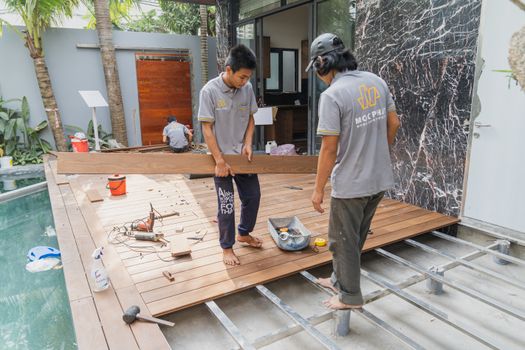
- Composite Decking: Though it can be pricier upfront, composite materials require less maintenance over time, potentially saving you money in the long run.
Utilize Simple Designs
A complex deck design with multiple levels, curves, or intricate railings can quickly drive up costs. Opt for a simple rectangular or square design that is easy to construct and requires fewer materials.
DIY vs. Hiring a Contractor
One of the biggest costs associated with building a deck is labor. If you have some basic woodworking skills, consider taking on the project yourself. This will significantly reduce your expenses. However, if you are unsure about your abilities, hiring a contractor may be worth the investment to ensure the deck is built safely and to code.
Resources for Planning Your Deck
To help you plan your deck effectively, consider utilizing resources like Ted Woodworking. This platform offers a vast array of woodworking plans, including detailed deck designs that can guide you through the building process, making it easier to visualize and execute your project.
Finalizing Your Build
Once you have your plans, permits, and materials ready, it's time to start building. Here are a few final tips to keep in mind:
- Ensure you have all the necessary tools before you start. This will save you time and prevent additional trips to the hardware store.
- Take your time with the project. Rushing can lead to mistakes that may require costly repairs.
- Inspect your work regularly as you build to ensure everything is level and secure.
Conclusion
Building an attached deck can be a rewarding project that enhances your home’s value and livability. By understanding local regulations, choosing affordable materials, and utilizing resources like Ted Woodworking, you can create a beautiful deck without breaking the bank. Remember to plan thoroughly and execute carefully to ensure a successful build.
FAQ
1. Do I need a permit to build a deck?
Yes, in most locations, you will need a building permit to ensure compliance with local codes and regulations.
2. What is the cheapest material for deck building?
Pressure-treated lumber is typically the most affordable material for building a deck.
3. Can I build a deck without hiring a contractor?
Yes, you can build a deck yourself if you have the necessary skills and tools. However, ensure you understand the local building codes and regulations.
📚 Related Articles
🔨 Want 16,000+ Woodworking Plans?
Get instant access to step-by-step plans with blueprints and cut lists.
Get Instant Access →