Introduction
Building a patio can transform your outdoor space into a relaxing retreat. When deciding on the material for your patio floor, two popular options come to mind: cement and pavers. Both materials have their unique advantages and disadvantages. This guide will help you understand each option, enabling you to make an informed decision.
Cement Patios
Cement is a versatile and widely-used material for patio floors. Here are some key points to consider:
Advantages of Cement Patios
- Cost-Effective: Cement is generally less expensive than pavers, making it an attractive option for budget-conscious projects.
- Quick Installation: Cement can be poured and set relatively quickly, allowing for a faster project completion.
- Low Maintenance: Once set, cement requires minimal upkeep compared to other materials.
- Durability: Cement is strong and can withstand heavy furniture and foot traffic.
Disadvantages of Cement Patios
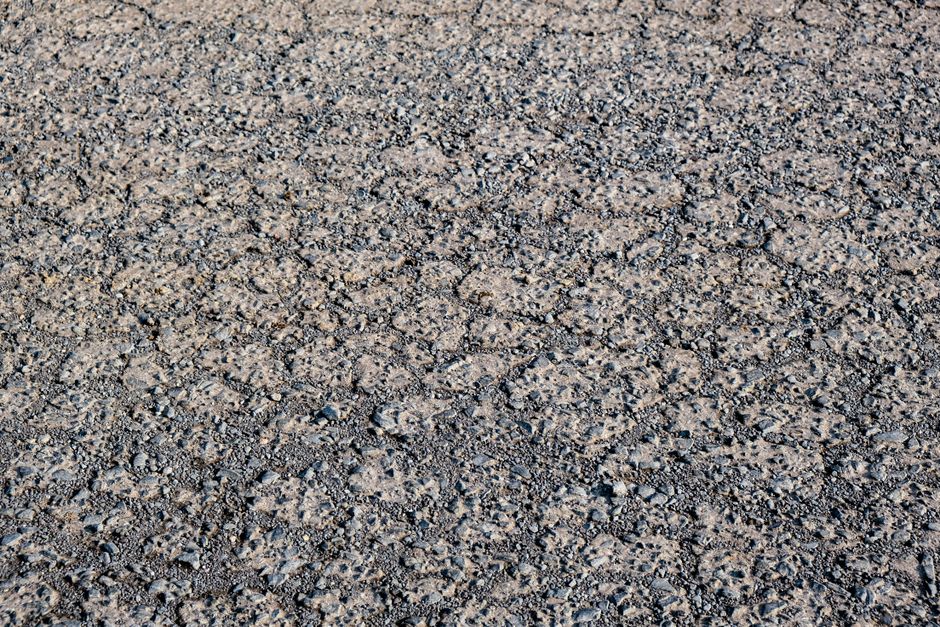
- Cracking: Over time, cement can crack due to weather changes or settling, which may require repairs.
- Limited Design Options: While cement can be stamped or stained, it typically offers fewer aesthetic choices compared to pavers.
- Heat Retention: Cement can become quite hot under direct sunlight, making it uncomfortable to walk on during summer days.
Paver Patios
Pavers are individual units made from various materials such as brick, stone, or concrete. Here’s what you need to know about them:
Advantages of Paver Patios
- Variety of Designs: Pavers come in numerous colors, shapes, and sizes, allowing for creative designs and patterns.
- Easy Repairs: If a paver gets damaged, you can easily replace it without having to redo the entire patio.
- Better Drainage: The gaps between pavers allow for better water drainage, reducing the risk of puddles.
- Cooler Surface: Pavers generally stay cooler than cement, making them more pleasant to walk on in hot weather.
Disadvantages of Paver Patios
- Higher Cost: Pavers can be more expensive than cement, especially for high-quality materials.
- Time-Consuming Installation: Installing pavers can take longer due to the need for precise placement and leveling.
- Weed Growth: Weeds can grow between the pavers if not properly maintained, requiring ongoing upkeep.
Factors to Consider When Choosing
When deciding between cement and pavers for your patio, consider the following factors:
1. Budget
Your budget is likely the most critical factor. If you are working with a limited budget, cement may be the better option. However, if you can afford it, pavers offer versatility and aesthetic appeal.
2. Aesthetic Preferences
Think about how you want your patio to look. If you desire a specific design or style, pavers may be the way to go. But if you prefer a simple and clean look, cement can achieve that.
3. Climate and Environment
Consider your local climate. If you live in an area with extreme temperatures, you may prefer pavers, as they can handle temperature fluctuations better than cement.
4. Intended Use
How do you plan to use your patio? If it will be a high-traffic area or will hold heavy furniture, both options are viable, but you may want to consider the longevity and durability of your choice.
Installation Tips
Regardless of your choice, proper installation is key to a long-lasting patio. Here are some simple steps to follow:
For Cement Patios:
- Prepare the area by removing grass and debris.
- Excavate the site to a depth of about 4-6 inches.
- Fill the area with gravel for drainage and compact it.
- Pour the cement mixture and smooth it out with a trowel.
- Allow it to cure for at least a week before placing furniture.
For Paver Patios:
- Clear the area of grass and debris.
- Excavate the site, similar to cement preparation.
- Add a layer of sand to create a base for the pavers.
- Lay the pavers in your desired pattern, ensuring they are level.
- Fill the gaps with sand and compact the surface.
For further detailed plans, you can check resources like Ted Woodworking for comprehensive guides and project ideas.
Conclusion
Deciding between cement and pavers for your patio floor depends on your budget, aesthetic preferences, climate, and intended use. Both materials offer unique advantages, making them suitable for different situations. By carefully considering these factors and following the installation tips, you can create a beautiful outdoor space that suits your needs.
FAQ
1. How long does a cement patio last?
A well-installed cement patio can last 20-30 years with proper maintenance.
2. Can I install pavers myself?
Yes, with basic tools and proper planning, many homeowners can successfully install pavers themselves.
3. What is the average cost difference between cement and pavers?
Cement is generally less expensive, costing around $3-$5 per square foot, while pavers can range from $10-$20 per square foot, depending on materials.
📚 Related Articles
🔨 Want 16,000+ Woodworking Plans?
Get instant access to step-by-step plans with blueprints and cut lists.
Get Instant Access →