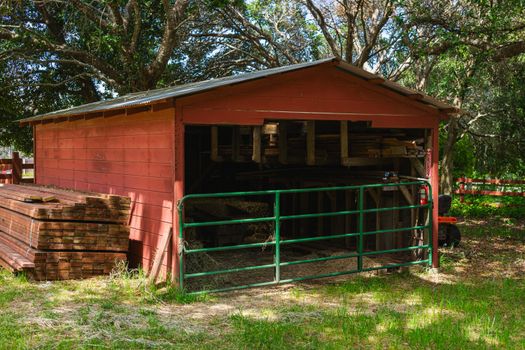
How to Build a Shed Ramp for Easy Access
If you own a shed, you know how important it is to have easy access to its contents. A well-constructed ramp can make entering and exiting your shed much more convenient, especially if you're storing heavy equipment or tools. In this article, we’ll guide you through the process of building a shed ramp that is functional, sturdy, and easy to construct.
Why Build a Ramp?
A ramp provides a smooth transition for wheeled equipment, such as lawn mowers, bicycles, or wheelbarrows. It eliminates the hassle of lifting heavy items over a step, reducing the risk of injury and making your shed more accessible.
Materials Needed
- Pressure-treated lumber (2x4s or 2x6s)
- Wood screws (preferably galvanized)
- Wood glue (optional)
- Concrete blocks or pavers (for support)
- Sandpaper or a power sander
- Wood stain or sealant (for weatherproofing)
Tools Required
Here are some essential tools you will need to build your shed ramp, along with their pros and cons:
1. Circular Saw
A circular saw is indispensable for cutting your lumber to the required lengths.
- Pros:
- Versatile and powerful for various cuts.
- Can handle thick lumber with ease.
- Cons:
- Can be dangerous if not used properly.
- Requires a steady hand for precise cuts.
2. Drill/Driver
You'll need a drill for pre-drilling screw holes and driving in screws.
- Pros:
- Fast and efficient for assembling pieces.
- Battery-powered options increase portability.
- Cons:
- Higher-end models can be expensive.
- Battery life can be a concern during extended projects.
3. Level
A level ensures that your ramp is built at the correct angle for easy navigation.
- Pros:
- Inexpensive and easy to use.
- Available in various sizes for different projects.
- Cons:
- Traditional levels can be bulky.
- Digital levels may require batteries.
Steps to Build the Ramp
Now that you have your materials and tools ready, let’s get started on building your shed ramp:
Step 1: Measure and Plan
First, measure the height of the shed door from the ground. This will determine the length and angle of your ramp. A gentle slope (1:12 ratio) is ideal, meaning for every inch of height, you should have at least 12 inches of ramp length.
Step 2: Cut the Lumber
Using your circular saw, cut the lumber to the required lengths. For the ramp surface, cut long pieces of lumber (2x6s are ideal) to create a stable platform.
Step 3: Assemble the Ramp Frame
Construct a frame using the pressure-treated lumber. Secure the pieces together using your drill and wood screws. Make sure everything is square and level.
Step 4: Attach the Ramp Surface
Once the frame is assembled, attach the ramp surface boards perpendicular to the frame. Space them evenly to allow for drainage and grip.
Step 5: Add Support
If your ramp is long or steep, add support blocks or pavers underneath to ensure stability.
Step 6: Finish the Ramp
Smooth any rough edges with sandpaper or a power sander to prevent splinters. Finally, apply a wood stain or sealant to protect the ramp from the elements.
Final Thoughts
Building a shed ramp doesn’t have to be a daunting task. With the right materials and tools, you can create an accessible entrance to your shed in a weekend. For more detailed plans, including variations for different ramp sizes and styles, consider checking out Ted Woodworking for a wide array of woodworking plans and resources.
FAQs
1. What materials are best for a shed ramp?
Pressure-treated lumber is ideal because it's resistant to moisture and decay. You can also use composite materials for added durability.
2. How steep should my shed ramp be?
For safety and ease of use, a 1:12 slope is recommended. This means for every inch of height, you should have at least 12 inches of ramp length.
3. Can I use my ramp for heavy equipment?
Yes, as long as you build the ramp sturdy enough with proper support and materials. Make sure to follow weight guidelines for the lumber used.
📚 Related Articles
🔨 Want 16,000+ Woodworking Plans?
Get instant access to step-by-step plans with blueprints and cut lists.
Get Instant Access →