Should I Install a Shed Floor? Benefits You Need to Know
When it comes to building a shed, one of the most critical decisions you'll face is whether or not to install a floor. While some may consider going without a floor to save time and materials, there are significant benefits to adding a shed floor that can enhance the functionality and longevity of your structure. In this article, we'll explore the advantages of installing a shed floor and recommend essential tools to help you get the job done right.
Benefits of Installing a Shed Floor
- Protection from Moisture: A solid floor elevates your shed off the ground, reducing the risk of water damage from rain or flooding. This is especially important if you plan to store valuable equipment or supplies.
- Improved Organization: Having a defined floor space allows for better organization of tools and materials. You can add shelves, cabinets, or hooks, maximizing the use of vertical space.
- Enhanced Comfort: A floor provides a comfortable surface to walk on, making it easier to spend extended periods in your shed, whether for work or hobbies.
- Increased Security: A solid floor can help secure your belongings, making it more challenging for intruders to access your shed.
- Versatility for Future Use: If you ever decide to repurpose your shed, a proper floor makes it much easier to adapt the space for different uses.
Essential Tools for Installing a Shed Floor
Installing a shed floor may seem daunting, but with the right tools, you can tackle this project efficiently. Here are some tools you will need, along with their pros and cons:
1. Circular Saw
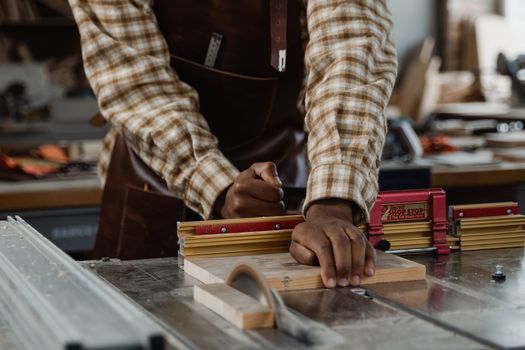
A circular saw is an essential tool for cutting wood to size when building your shed floor.
- Pros: Quick and efficient cutting; able to handle various materials; portable.
- Cons: Requires some skill to ensure straight cuts; can be dangerous if not used properly.
2. Power Drill
A power drill is necessary for drilling holes and driving screws into your floor frame and panels.
- Pros: Versatile tool; can be used for various tasks beyond just this project; saves time compared to manual drilling.
- Cons: Battery life can be an issue; heavier models may be harder to maneuver.
3. Level
Using a level is crucial to ensure your shed floor is perfectly even, preventing future structural issues.
- Pros: Simple to use; helps avoid costly mistakes; ensures stability.
- Cons: Requires attention to detail; can be cumbersome to use on uneven ground.
4. Measuring Tape
Accurate measurements are vital for a successful shed floor installation.
- Pros: Inexpensive and widely available; essential for any woodworking project.
- Cons: Can be prone to errors if not used carefully; requires two people for long measurements.
5. Hammer and Nails or Screw Gun
You will need a hammer and nails or a screw gun to assemble your floor framing.
- Pros: Gives you flexibility in construction; screws provide a stronger hold than nails.
- Cons: A screw gun can be more expensive; nails may require more effort to remove if adjustments are needed.
Planning Your Shed Floor
Before you start building, it's essential to plan your shed floor. Consider the following:
- What type of materials will you use for the floor? Common choices include plywood or treated lumber.
- How will you frame the floor? Ensure that it is sturdy enough to support the weight of the contents.
- What is the best way to elevate the floor? You may need to use concrete blocks or wooden skids.
For detailed plans and guidance, consider resources like Ted Woodworking, which offers a variety of shed plans that include detailed instructions for floor installation.
Conclusion
Installing a shed floor is a worthwhile investment that can enhance the usability and lifespan of your shed. With the right tools and careful planning, you can create a sturdy, functional space tailored to your needs. Whether you're a seasoned woodworker or a DIY novice, the benefits of a well-constructed shed floor are undeniable.
Frequently Asked Questions
- Do I need a permit to build a shed with a floor? It depends on your local regulations. Always check with your local zoning office before starting.
- What is the best material for a shed floor? Plywood and treated lumber are popular choices due to their durability and resistance to moisture.
- How do I maintain my shed floor? Regularly check for signs of moisture damage and clean debris to prolong the life of your flooring.
📚 Related Articles
🔨 Want 16,000+ Woodworking Plans?
Get instant access to step-by-step plans with blueprints and cut lists.
Get Instant Access →