Introduction
As more people become aware of the benefits of composting, many are eager to create their own compost bins at home. But before you start gathering materials, one of the first questions you should ask is: what is the best size for a DIY compost bin structure? This article will guide you through the considerations for sizing your compost bin, ensuring that you create an effective and efficient composting system.
Why the Size of Your Compost Bin Matters
Choosing the right size for your compost bin is crucial for several reasons:
- Efficiency: A well-sized compost bin helps to maintain the right temperature and moisture levels for decomposition.
- Space: You want to ensure your compost bin fits well into your garden without taking up too much valuable space.
- Access: A bin that is too large can be difficult to manage, while one that is too small may not accommodate your composting needs.
Basic Considerations for Sizing Your Compost Bin
When deciding on the size of your compost bin, consider the following factors:
1. Available Space
Evaluate the space you have in your garden. Measure the area where you plan to place the bin, taking into account any surrounding plants or structures. Ideally, you want a spot that is accessible but does not interfere with your gardening activities.
2. Volume of Organic Waste
Think about the amount of organic waste your household produces. A smaller bin may work for a single person or a small family, while a larger bin might be necessary for larger households or for those who engage in extensive gardening. A general rule of thumb is:
- For 1-2 people: 1 cubic yard (3 feet x 3 feet x 3 feet)
- For a family of 3-4: 2 cubic yards (4 feet x 4 feet x 4 feet)
- For larger families or avid gardeners: 3-4 cubic yards (5 feet x 5 feet x 5 feet)
3. Type of Composting
Different composting methods may require different bin sizes. For example:
- Hot composting: Requires a larger bin to maintain heat effectively, usually around 3 feet x 3 feet x 3 feet.
- Cold composting: Can work with smaller bins but may take longer to decompose.
Building Your DIY Compost Bin
Once you have determined the size of your compost bin, it’s time to gather materials and build. Here’s a simple step-by-step guide to creating a basic compost bin:
Materials Needed
- Wooden pallets or untreated lumber
- Wood screws or nails
- Hinges (if you want a door)
- Measuring tape
- Saw (hand saw or power saw)
- Drill
- Level (optional)
Step-by-Step Guide
- Measure and Mark: Based on the size you’ve decided, measure and mark the dimensions on your wood.
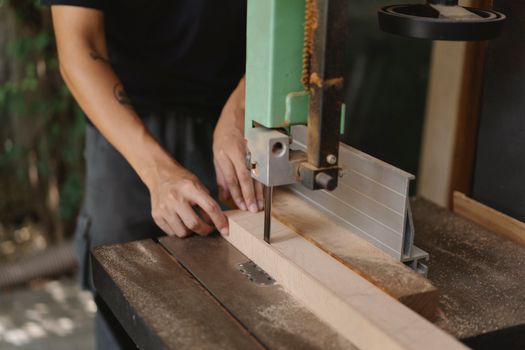
- Cut the Wood: Using your saw, cut the wood to size. Ensure that all pieces are uniform for stability.
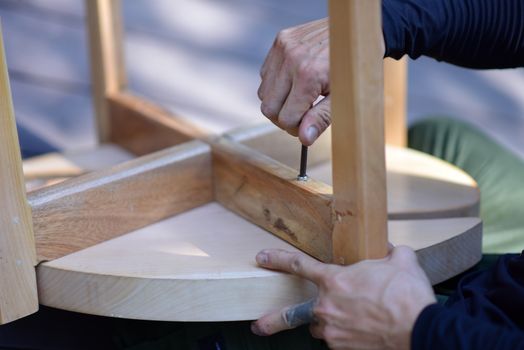
- Assemble the Sides: Using screws or nails, assemble the sides of the bin. You can create a square or rectangular structure.
- Add a Base: If you are using pallets, you may not need a base, but for lumber, consider adding a base to keep the compost off the ground.
- Create a Door (optional): If you want easy access to your compost, attach a hinged door using hinges on one side.
- Finish Up: Ensure everything is secure. You can also add ventilation holes for better airflow.
Resources for Plans
If you’re looking for detailed plans and designs for your compost bin, consider visiting Ted Woodworking. They provide a wide range of woodworking plans, including various compost bin designs tailored to different sizes and needs.
Conclusion
Choosing the right size for your DIY compost bin is essential for successful composting. By considering your available space, the amount of organic waste you produce, and the method of composting you prefer, you can determine the best size for your needs. With basic tools and materials, you can easily construct a compost bin that will serve you well for years to come.
FAQ
1. How often should I turn my compost?
It's recommended to turn your compost every 1-2 weeks to aerate it and help speed up the decomposition process.
2. What materials can I put in my compost bin?
You can compost kitchen scraps like fruit and vegetable peels, coffee grounds, and eggshells, as well as yard waste such as grass clippings, leaves, and small branches.
3. Can I compost meat and dairy products?
It is generally not recommended to compost meat and dairy products as they can attract pests and create odors. Stick to plant-based materials for best results.
📚 Related Articles
🔨 Want 16,000+ Woodworking Plans?
Get instant access to step-by-step plans with blueprints and cut lists.
Get Instant Access →