Introduction
Garden structures, such as pergolas, trellises, and raised beds, can significantly enhance the beauty and functionality of your outdoor space. However, like any other wooden furniture, they require regular maintenance to ensure longevity and durability. In this article, we will explore the best practices for maintaining your garden structures, as well as some essential tools that can make the job easier.
Regular Inspection
One of the first steps in maintaining your garden structures is to conduct regular inspections. Look for signs of wear and tear, such as:
- Cracks or splits in the wood
- Signs of rot or decay
- Loose joints or connections
- Pest infestations, such as termites or carpenter ants
By identifying issues early, you can take corrective action before they become more significant problems.
Cleaning Your Garden Structures
Over time, dirt, mold, and mildew can accumulate on your garden structures, affecting their appearance and integrity. Regular cleaning is essential to keep them looking good and functioning well. Here are some tools you might need:
Power Washer
Pros: A power washer can easily remove dirt and mildew from wooden surfaces, saving you time and effort.
Cons: If not used carefully, a power washer can damage the wood, so it's essential to use the lowest pressure setting and keep the nozzle at a safe distance.
Scrub Brush
Pros: A scrub brush is perfect for manual cleaning, allowing you to control the pressure applied to the wood. It's also great for getting into tight corners.
Cons: It requires more physical effort than a power washer and may take longer to achieve the desired cleanliness.
Sealing and Staining
To protect your garden structures from the elements, applying a sealant or stain is crucial. This process helps prevent water damage, rot, and UV damage. Here are some tools and products you might consider:
Paint Sprayer
Pros: A paint sprayer can provide a smooth and even application of sealant or stain, covering large areas quickly.
Cons: Paint sprayers can be more expensive than brushes and require cleaning after use. Additionally, overspray can be an issue if not used carefully.
Brushes and Rollers
Pros: Brushes and rollers are inexpensive and allow for precise application, especially in detailed or intricate areas.
Cons: They are time-consuming for larger projects and may require more coats for even coverage.
Repairing Damage
Even with regular maintenance, your garden structures may still suffer from damage. Here are some common repairs you might encounter:
Replacing Rotted Wood
When you spot rotted wood, it’s essential to replace it promptly. The tools you will need include:
- Circular Saw: Perfect for cutting out damaged sections of wood.
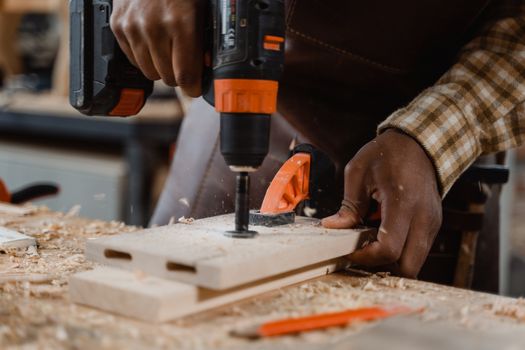
- Screwdriver or Drill: Necessary for removing and attaching new pieces.
- Wood Glue: Can be used to reinforce joints after replacement.
Fixing Loose Joints
Loose joints can compromise the stability of your structures. Here are the tools to help:
- Wood Clamps: These help hold pieces together while the glue dries.
- Screws or Nails: Essential for reattaching joints securely.
- Wood Filler: Can be used to fill in gaps and create a smooth finish.
Preventing Pests
Wooden garden structures can be attractive to pests. Here are some preventative measures and tools to consider:
Pest Control Sprays
Pros: Sprays can effectively deter insects and protect the wood from damage.
Cons: Some sprays may be harmful to plants, so choose organic options if you have nearby vegetation.
Termite Bait Stations
Pros: These can help monitor and control termite populations around your garden structures.
Cons: They require regular checking and may take time to show results.
Using Plans and Resources
If you are considering building new garden structures or upgrading existing ones, using a resource like Ted Woodworking can be incredibly beneficial. Ted Woodworking offers a range of plans that can guide you through building various structures while ensuring you have the right materials and tools at your disposal.
Conclusion
Maintaining your garden structures doesn’t have to be a daunting task. With the right tools and a regular maintenance routine, you can ensure that your garden remains a beautiful and functional space for years to come. Remember to keep your garden structures clean, sealed, and protected from pests to extend their lifespan.
FAQ
1. How often should I inspect my garden structures?
It's advisable to inspect your garden structures at least twice a year, ideally in spring and fall, to catch any potential issues early.
2. What is the best sealant for wooden garden structures?
A high-quality waterproof sealant or wood stain that includes UV protection is recommended for outdoor wooden structures.
3. Can I use regular paint on my garden structures?
Regular paint can be used, but it is best to choose exterior-grade paints designed for outdoor use to ensure durability against the elements.
📚 Related Articles
🔨 Want 16,000+ Woodworking Plans?
Get instant access to step-by-step plans with blueprints and cut lists.
Get Instant Access →