Introduction
Building a custom dining table can be a rewarding project that enhances both your woodworking skills and your home decor. One way to elevate your table design is by incorporating inlaid wood, which adds a unique touch and can showcase your craftsmanship. In this guide, we will walk you through the steps to create a beautiful inlaid wood dining table, review essential tools, and provide tips for success.
Tools Required for Building an Inlaid Wood Dining Table
Before you begin your project, it's vital to have the right tools. Here’s a list of tools you'll need, along with their pros and cons:
- Table Saw
- Pros: Provides precise cuts for uniform pieces, necessary for the tabletop and legs.
- Cons: Requires a significant amount of space and can be a hefty investment.
- Router
- Pros: Excellent for creating the inlay grooves and decorative edges.
- Cons: Can be intimidating for beginners; requires practice to master.
- Chisels
- Pros: Ideal for cleaning up inlay edges and making fine adjustments.
- Cons: Requires honing and frequent maintenance to keep them sharp.
- Drill and Bits
- Pros: Essential for creating holes for screws and dowels, ensuring stability.
- Cons: Depending on the type, some drills may not be powerful enough for hardwoods.
- Clamps
- Pros: Crucial for holding pieces together while glue sets, ensuring strong joints.
- Cons: May require multiple sizes to accommodate different joint types.
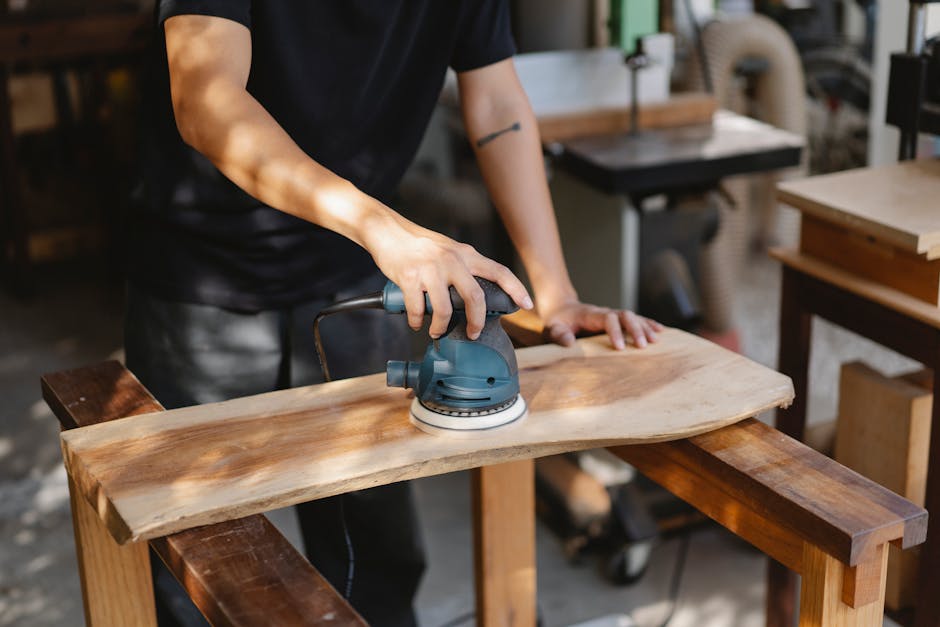
- Sander
- Pros: Helps achieve a smooth finish, essential for an attractive final product.
- Cons: Can create a lot of dust; requires a good dust collection system.
Designing Your Inlaid Wood Dining Table
Before you jump into cutting wood, a design plan is crucial. Here are steps to guide you in creating an effective design:
- Choose Your Wood Species: Select a primary wood type for your table. Hardwoods like oak, maple, or walnut are excellent choices. Consider using contrasting woods for the inlay.
- Create a Rough Sketch: Draft a basic layout of your table, including dimensions and the inlay design. Consider using software or graph paper for precision.
- Determine Inlay Patterns: Decide on the patterns you want for your inlay. Common designs include geometric shapes, floral motifs, or even personalized designs.
Building the Table
Now that you have your tools and design ready, it’s time to start building your custom dining table.
Step 1: Cut the Wood
Using your table saw, cut the wood pieces for the tabletop, legs, and any aprons. Ensure that all cuts are straight and accurate. Follow your design to achieve the correct dimensions.
Step 2: Create Inlay Grooves
With your router, carefully cut grooves into the tabletop where the inlay will be placed. Make sure to follow the lines of your design closely for a clean fit.
Step 3: Prepare Inlay Pieces
Cut your inlay materials to fit snugly into the grooves. Use chisels to fine-tune the shape and ensure they fit perfectly. Test the fit before proceeding to glue.
Step 4: Glue and Clamp
Once everything fits well, apply wood glue to the grooves and insert the inlay pieces. Use clamps to hold everything in place while the glue dries. This step is crucial for a strong bond.
Step 5: Sand and Finish
After the glue has dried, sand the entire table to ensure a smooth surface. Start with a coarse grit and progress to finer grits. Finish with your choice of stain or sealant to protect the wood and enhance its beauty.
Finishing Touches
Don't forget the final touches! Add felt pads to the bottom of the legs to avoid scratching your floor. You can also consider adding a protective top coat, such as polyurethane, to ensure durability.
Planning Resources
If you're looking for detailed plans and additional guidance, be sure to check out Ted Woodworking. They offer a wide variety of furniture building plans that can help you with your custom dining table project.
Conclusion
Building a custom dining table with inlaid wood is an engaging and fulfilling project that can bring beauty to your home while showcasing your woodworking skills. With the right tools, careful planning, and a bit of patience, you can create a masterpiece that will be cherished for years to come.
FAQ
- What type of wood is best for inlays?
Contrasting woods like maple, cherry, and walnut work well for inlays, providing visual interest.
- How do I maintain my dining table?
Regularly clean the surface with a soft cloth and use coasters to protect against scratches and heat.
- Can I use plywood for the tabletop?
While plywood can be used, solid hardwood is recommended for a more durable and attractive finish.
📚 Related Articles
🔨 Want 16,000+ Woodworking Plans?
Get instant access to step-by-step plans with blueprints and cut lists.
Get Instant Access →