Introduction
When building or renovating a deck, safety should always be a top priority. One of the most critical components of deck safety is the type of rails you choose. Not only do rails enhance the aesthetic appeal of your outdoor space, but they also provide necessary safety measures to prevent falls. In this article, we will explore various types of rails, their pros and cons, and how they can contribute to a safer deck environment.
Types of Deck Rails
Deck rails come in various styles and materials, each offering unique benefits and drawbacks. Here, we will discuss some popular options:
1. Wooden Rails
- Pros: Wooden rails are classic and can be customized to suit your deck's design. They are generally easy to work with and can be painted or stained to match your decor.
- Cons: They may require more maintenance over time, including regular sealing and staining to prevent rot and warping.
2. Vinyl Rails
- Pros: Vinyl rails are durable, low-maintenance, and resistant to fading and cracking. They come in a variety of colors and styles, offering flexibility in design.
- Cons: They may be more expensive upfront compared to other materials and can be less robust in extreme temperatures.
3. Metal Rails
- Pros: Metal rails, such as aluminum or wrought iron, offer a modern look and exceptional durability. They are resistant to rust and corrosion and can provide a sleek, minimalist aesthetic.
- Cons: Metal can become hot in direct sunlight, and installation may require specialized tools and skills.
4. Composite Rails
- Pros: Composite rails combine the look of wood with the durability of synthetic materials. They are low-maintenance and resistant to fading and insects.
- Cons: The cost can be higher than traditional wood, and they may not have the same sturdiness as solid wood rails.
Choosing the Right Type for Your Deck
When selecting the best type of rails for your deck, consider the following factors:
- Climate: Choose materials that can withstand the weather conditions in your area.
- Style: Consider the overall aesthetic of your home and outdoor space. Your rails should complement your deck's design.
- Maintenance: Think about how much time and effort you want to invest in keeping your rails in good condition.
- Budget: Determine how much you are willing to spend on materials and installation.
Tools Needed for Building Deck Rails
Building your own deck rails can be a rewarding project, but it requires the right tools to ensure safety and quality. Here are some essential tools to consider:
1. Miter Saw
A miter saw is essential for making accurate cuts at various angles, especially when creating custom rail designs.
- Pros: Provides precision and versatility for different cuts.
- Cons: Can be expensive and requires a safe working environment.
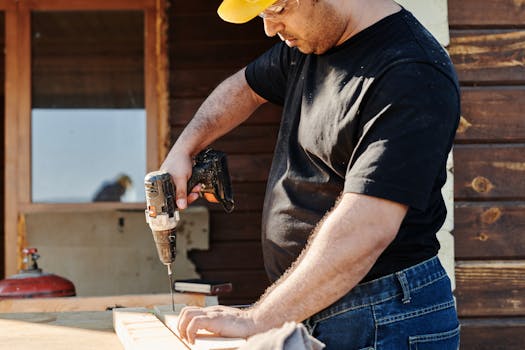
2. Drill/Driver
A powerful drill is necessary for installing screws and securing your railings.
- Pros: Saves time and effort compared to manual screw driving.
- Cons: Battery life can be an issue with cordless models.
3. Level
Ensuring that your rails are level is crucial for safety and aesthetics.
- Pros: Simple tool that guarantees your rails are even.
- Cons: Only useful for installation; doesn't aid in cutting or assembly.
4. Safety Gear
Always prioritize safety by using protective eyewear, gloves, and ear protection when using power tools.
- Pros: Protects you from potential injuries during the build process.
- Cons: Additional cost and can be uncomfortable if not properly fitted.
Finding Plans for Your Deck Rails
For those who are new to woodworking or looking for guidance on building deck rails, resources like Ted Woodworking offer a plethora of plans that can simplify the process. With detailed instructions and diagrams, you can create safe and stylish railings that fit your vision.
Conclusion
Choosing the right type of rails is essential for ensuring the safety of your deck. Wooden, vinyl, metal, and composite options each have their unique benefits and challenges. By considering the climate, style, maintenance, and budget, you can make an informed decision. Moreover, investing in the right tools will not only help you create a safe environment but also enhance your woodworking skills.
FAQ
What is the best height for deck railings?
The standard height for deck railings is usually between 36 and 42 inches, depending on local building codes and the type of deck.
How often should I maintain my wooden deck rails?
Wooden deck rails should be inspected annually and may require staining or sealing every 2-3 years to maintain their integrity.
Can I DIY my deck rail installation?
Yes, with the right tools and resources, many homeowners can successfully install their own deck rails, but make sure to follow safety guidelines and local building codes.
📚 Related Articles
🔨 Want 16,000+ Woodworking Plans?
Get instant access to step-by-step plans with blueprints and cut lists.
Get Instant Access →